
GP & specialist
Everyday care, sorted at the counter
Group outpatient cover pays for GP visits, specialist consultations and the scans and tests that go with them. Staff are seen at a panel clinic and pay nothing, or a small co-pay, on the way out.
What it is
The cover staff use most
Hospital cover protects against the big bills. Outpatient cover is the one staff use from week to week: a GP visit for a fever, a specialist on referral, an X-ray or a blood test.
It usually has two parts. GP cover pays for visits to the insurer’s panel of clinics, often with a small co-pay. Specialist cover pays for consultations and diagnostic tests on a GP’s referral, up to a yearly limit.
What it usually pays for
From the GP to the scan
GP visits
Consultations and standard medication at panel clinics, cashless or with a co-pay such as S$5 or S$10. Many plans also pay a set amount for non-panel GPs, and some include polyclinics and TCM.
Panel and non-panel clinicsSpecialists
Consultations with a specialist on a GP’s referral, up to a yearly limit. On the SME packages we compare, limits run from about S$1,000 to S$3,000 a year.
Scans and tests
Diagnostic X-rays and laboratory tests ordered by a doctor, usually paid from the specialist limit. Some plans include MRI, CT and PET scans.
Co-payment explainedPanel or non-panel
Where staff go makes a difference
Most outpatient plans are built around a panel of clinics. Staff can usually still go elsewhere, but it works differently.
| Panel clinic | Non-panel clinic | |
|---|---|---|
| Paying | Cashless: show the medical card and pay any co-pay | Pay the full bill, then claim |
| What’s paid | Usually as charged for covered treatment | Up to a fixed amount per visit, if the plan covers it |
| Choice | Clinics in the insurer’s network | Any clinic |
| Paperwork | Handled between the clinic and the insurer | Receipts and a claim form |

Is outpatient cover right for your team?
A good fit if
- You want a benefit staff notice and use through the year
- You’d rather staff saw a doctor early than waited until they felt worse
- You have hospital cover, or are buying it now, since most insurers sell outpatient cover on top of it
- You reimburse medical receipts today and want to stop running your own claims process
In practice
A typical visit
01
See a panel GP
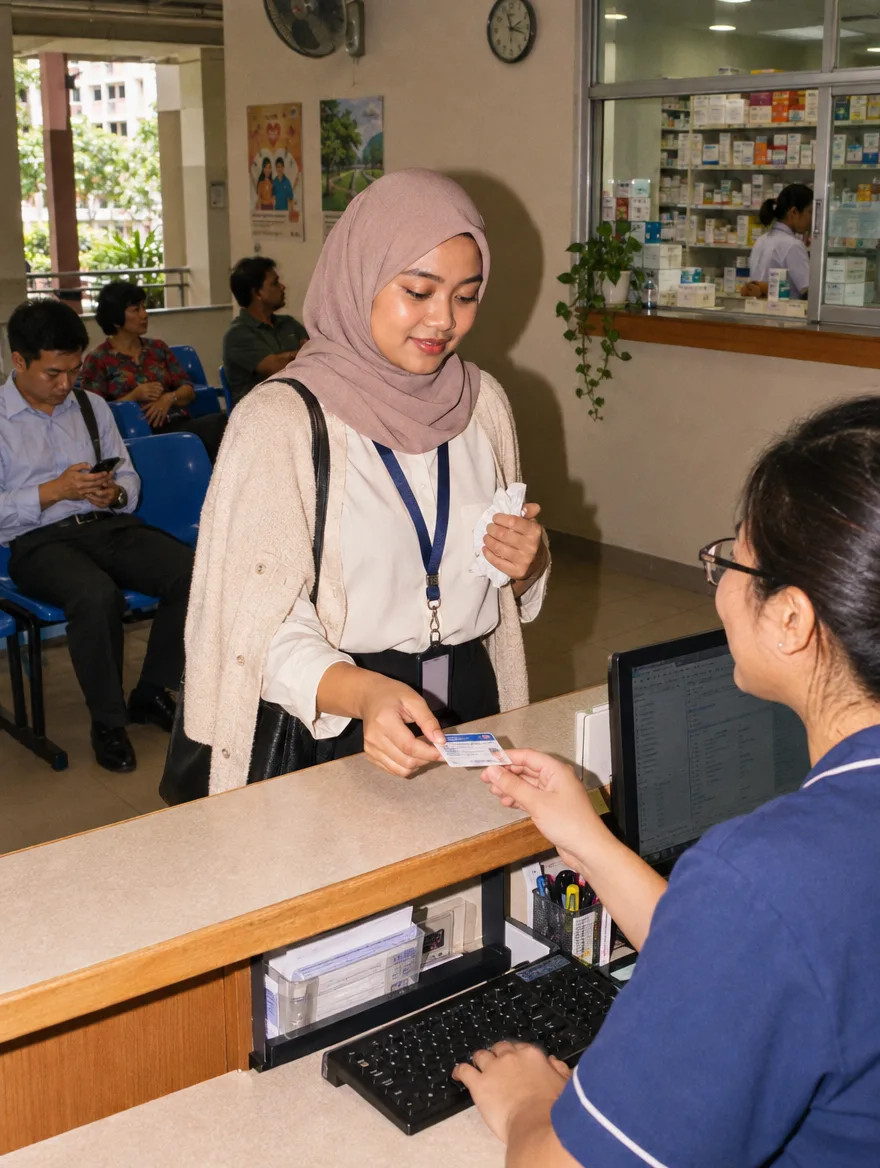
Your employee shows their digital or physical medical card at a panel clinic and is seen as usual.
02
Pay the co-pay, if any
The clinic bills the insurer for covered treatment. The employee pays the co-pay, and anything not covered, at the counter.
03
On to a specialist
If the GP refers them on, specialist visits and tests are paid up to the plan’s yearly limit, cashless at a panel specialist or by claim.
Questions about outpatient cover
GP and specialist cover, answered
Usually not. Most insurers sell it as a rider to group hospital and surgical cover, and a few also let it sit on term life. We tell you what each insurer allows.
Usually, yes. Most plans pay for specialist visits only on a GP’s referral, and for scans and physiotherapy on a GP’s or specialist’s referral. Going direct can mean the claim isn’t paid.
It depends on the insurer and the clinic network it uses. When we compare quotes, we check that there are panel clinics near your office and near where your staff live.
Many plans pay for polyclinic visits, and some pay a set amount per visit for TCM treatment, up to a number of visits a year.
Often, yes, on the same plan as the employee. It adds to the premium, so some companies cover dependants for hospital care only.
A co-pay is a fixed amount the employee pays at each visit, such as S$5 or S$10. Plans with a co-pay cost less than plans without one, and staff still pay very little per visit.
Compare GP and specialist cover
Tell us about your team. We lay out plans from our panel of 14 insurers side by side and send exact quotes within the next working day. Our advice is free: the insurer pays our commission.