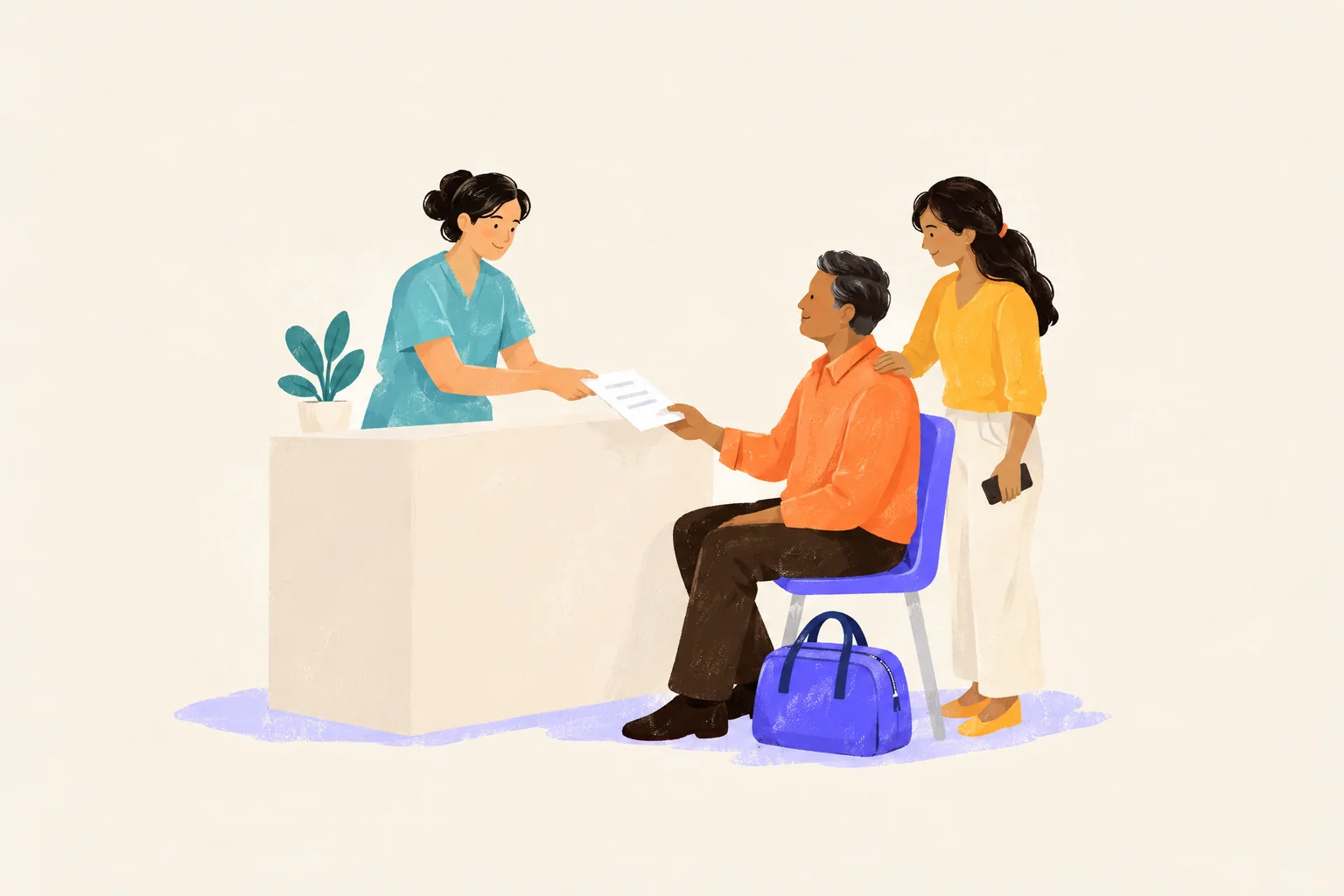
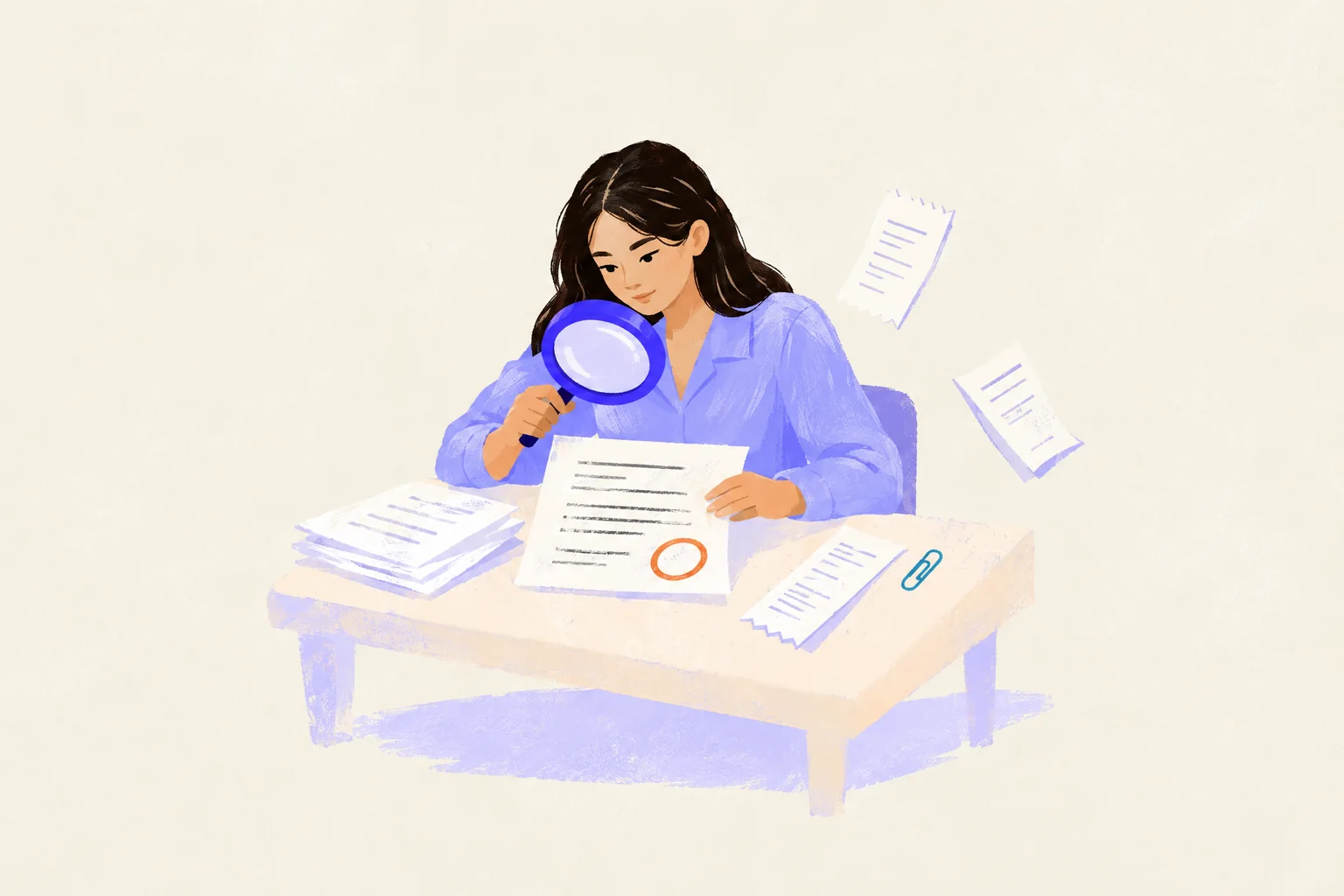
A turned-down claim costs the employee money and HR time. Here are seven reasons, each with a fix you can put in place before the next claim.
Insurers judge each claim against the policy wording and the benefit schedule (the table of limits), not against what staff were told. Most turned-down claims come down to one of the seven reasons below.
Where claims fall down
1. The person was not on the plan yet
Cover starts on the date the policy sets, and the insurer must be told. Many group hospital plans cover a new employee from their first day, but only if the company declares them within a set time, often within 30 days of the end of the month they joined.
Fix: tell us about each joiner as soon as the start date is fixed, and we add them with the insurer (start-date rules).
2. The treatment is excluded
Exclusions are things the policy does not pay for, however high the limit. Cosmetic surgery and preventive care, such as check-ups and vaccinations, are common exclusions on group hospital plans.
Fix: list the main exclusions in your staff guide so staff can check before they book.
3. A pre-existing condition
Private health insurance usually excludes conditions a person already had. On group plans, the exclusion often lasts for the first 12 months of cover on the basic hospital plan. On some major medical plans, and for some outpatient cancer and kidney treatment, it can be permanent.
Fix: know how your plan treats pre-existing conditions before you buy. We set this out for every insurer on the quotes we prepare, and we plan any switch so there is no gap in cover.
4. A specialist seen without a referral
Many outpatient specialist plans pay only when a registered doctor has written a referral letter first.
Fix: tell staff to get the referral letter before booking and keep a copy for the claim.
5. The limit was already used
Plans cap what they pay, for example per year, per illness or for a lifetime. A sub-limit is a smaller cap for one item. Physiotherapy, occupational therapy and chiropractic, for example, can share a yearly cap of around S$500 on specialist plans.
Fix: check what is left before a course of treatment starts.
6. Missing documents or a late claim
Insurers set deadlines. A common pattern is notice within 30 days, then the original bills, receipts, discharge summary and signed claim form within 60 days of the event. Some outpatient plans want claims within 30 days of the visit.
Fix: send each claim soon after treatment with everything on the insurer's list, and keep copies.
7. Not medically necessary
Plans pay for treatment that is medically necessary as the policy defines it. That usually means treatment a doctor ordered, in line with the symptoms, and not mainly for the convenience or personal choice of the patient, their family or the doctor.
Fix: for planned treatment, ask the doctor to note why it is needed. For a hospital stay, a letter of guarantee tells the hospital what the insurer will cover, but the claim is still checked after discharge.
A partly paid claim is not a rejection
If the employee chose a higher ward or hospital type than the plan covers, many plans pay only a percentage of the eligible bill. That is pro-ration: the claim is reduced, not refused.
After a rejection
Every rejection should come with a reason and the policy clause behind it. If your plan is with Bene, send us the claim and the insurer's reply. We get the reason and clause in writing, send any missing document through the right channel, and follow the claim up until it is settled. The insurer makes the final decision.
For review and escalation steps, use our claims guide.